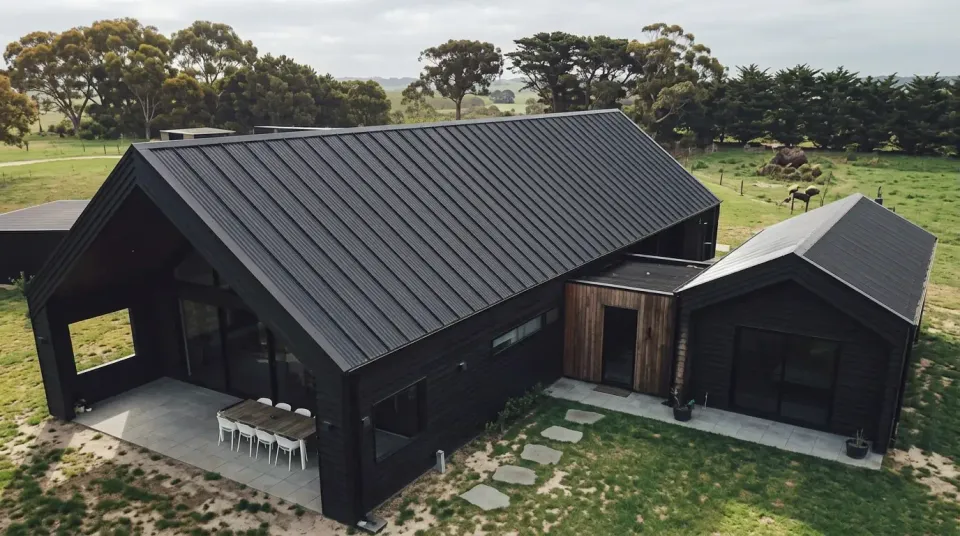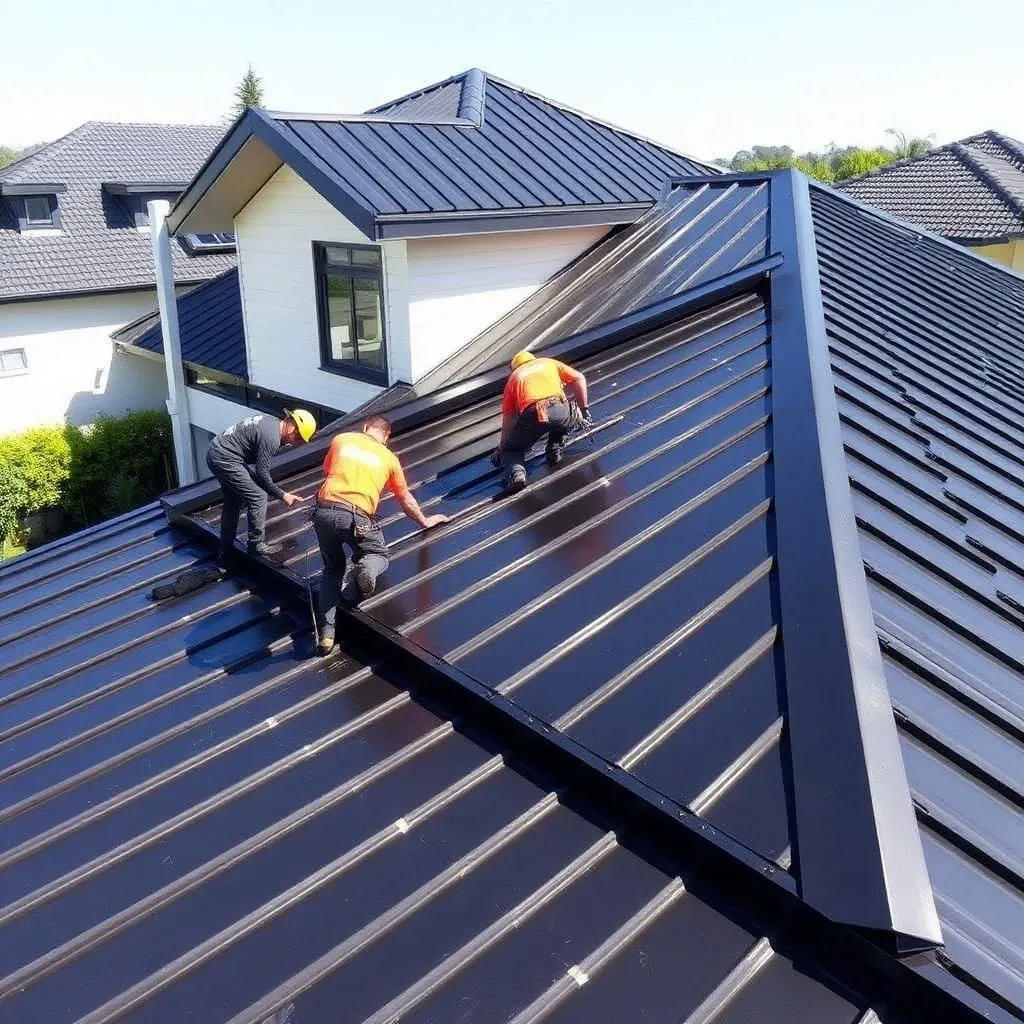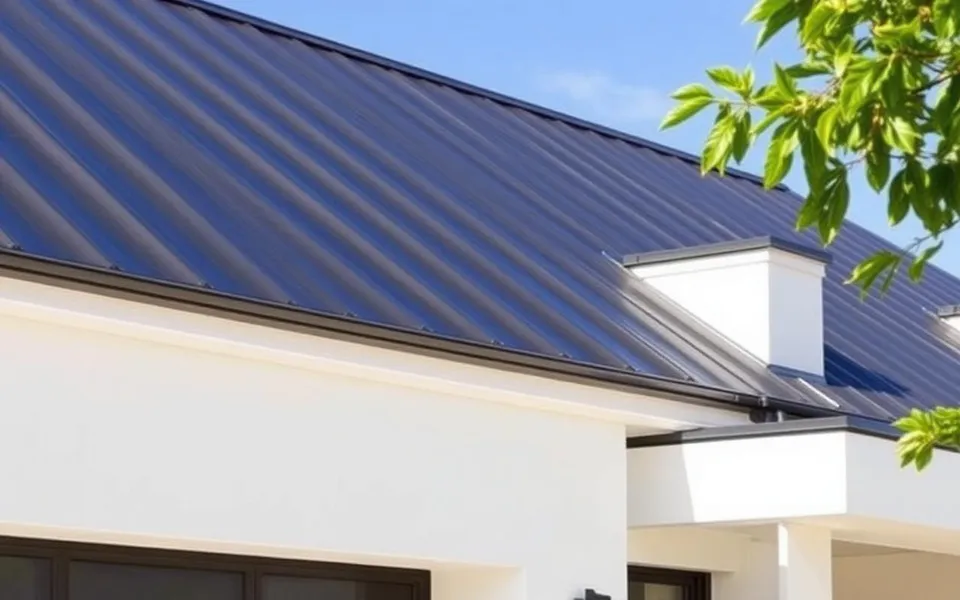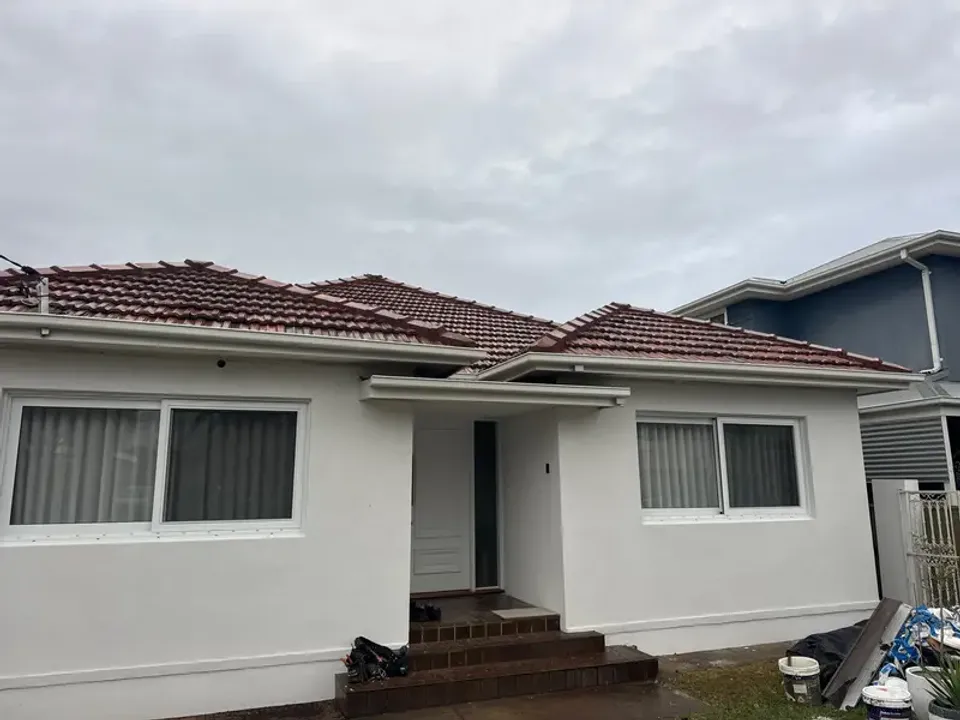
If you live within a few kilometres of the coastline anywhere from Wollongong to Kiama, Gerringong or the Shoalhaven, your roof is dealing with something inland homes simply don't face: constant exposure to salt-laden air. Over time, this quietly does more damage than most homeowners realise, until they're looking at rust stains, corroded fixings, or a roof that's failed well before its expected lifespan.
Updated 26 October 2026
Here's what's actually happening to coastal roofs, and why choosing the right roofing material makes such a difference across the Illawarra and South Coast.
What Salt Air Actually Does to a Roof
Sea spray carries fine salt particles that travel on the wind, settling on every exposed surface, including your roof, gutters, flashings and fixings. Combined with humidity and rainfall, this creates an ongoing corrosive environment. A few things accelerate the process:
Onshore winds carrying salt further inland than most people expect, particularly during storms
Humidity keeping salt deposits damp for longer, which speeds up corrosion
Poor-quality or untreated fixings corroding well before the roof sheeting itself
Lack of regular washdown, allowing salt build-up to accumulate season after season
Homes in exposed suburbs like North Wollongong, Austinmer, Coledale, Thirroul and Gerringong tend to see this wear develop faster than homes further inland in Dapto, Albion Park or Unanderra, though no property in the region is entirely immune.
The Warning Signs of Salt Air Corrosion
If your roof is showing any of the following, salt exposure is a likely contributing factor:
Rust spotting or streaking, particularly around screw fixings, ridge capping and flashings
White or grey powdery residue (salt deposits) building up in sheltered areas of the roof
Discolouration or fading beyond normal UV wear
Corroded guttering, especially at joins and where debris has been sitting
Premature paint or coating failure on older Colorbond or Zincalume roofing
If you're noticing any of these signs, it's worth getting a proper inspection before small corrosion points turn into leaks. Our team handles this regularly through our roof repairs service across the region.
Why Colorbond Steel Handles Coastal Conditions Better
Not all roofing steel is created equal, and this is exactly why product selection matters so much for coastal homes. Colorbond steel is manufactured by BlueScope with coating systems engineered for Australian conditions, including a dedicated Colorbond Ultra steel option designed for use in more severe coastal and marine environments.
Metallic coating layer. Beneath the coloured finish, Colorbond steel has a metallic coating (aluminium-zinc alloy) that acts as a barrier, slowing the onset of corrosion compared to bare or lower-grade steel.
Baked-on paint finish. The paint system is applied and cured under factory conditions, giving a more consistent, durable finish than site-applied coatings. This helps resist the fading and chalking that salt air and UV exposure can accelerate.
Product selection for exposure zones. Not every Colorbond product is rated the same for coastal proximity. Homes very close to breaking surf may need a specific product, fixing type or additional protective measures. This is a conversation worth having with an experienced coastal roofer, not something to guess on.
Correct fixings and flashings. Even the best roof sheeting can be let down by the wrong screws or flashing material. We use fixings rated for coastal exposure, because corroded fasteners are one of the most common failure points we see on older coastal roofs.
Installation and Maintenance Matter Too
Even the right product will underperform if it's installed poorly or never maintained. A few things genuinely extend the life of a coastal roof: periodic washdowns to remove salt build-up, particularly in sheltered valleys and behind parapets; clear gutters and downpipes, so water and the salt within it doesn't pool and accelerate corrosion; prompt attention to early rust spotting rather than waiting until it spreads; and using coastal-rated fixings and flashings from the outset, not just coastal-rated sheeting.
Our Approach for Coastal Illawarra Homes
Because we work across exposed suburbs the length of the Illawarra and South Coast, specifying and installing roofing for salt air exposure is part of our everyday work, not a special case. We assess proximity to the coast, prevailing wind exposure and the condition of existing fixings before recommending a product or repair approach.
If your roof is showing early signs of corrosion, or you're planning a re-roof and want it specified properly for coastal conditions from day one, our team can help. Learn more about our Colorbond roofing options built for the Illawarra coastline, or contact us for a free, no-obligation inspection and quote.
Official coastal selection & maintenance references
- COLORBOND®: choosing steel near the ocean
COLORBOND® Ultra is intended for harsher marine environments, but coastal distance alone does not establish suitability. BlueScope's selection guidance also considers local exposure, prevailing winds and unwashed areas. Confirm the exact roofing product, fixings and flashings for the site with BlueScope before specifying; do not assume standard COLORBOND® or Ultra suits every coastal property.
- COLORBOND®: five layers of protection
The metallic-coating description above is a simplified explanation, not a specification for every product. BlueScope describes its metallic coating incorporating Activate® technology, pretreatment, primer and baked-on topcoat, with product exceptions. Check the selected product's current technical information rather than assuming all COLORBOND® coatings are identical.
- BlueScope Technical Bulletin TB-4: maintenance of exterior coated steel
BlueScope requires cleaning of sheltered, unwashed exterior coated-steel areas: six-monthly as a minimum, or three-monthly where marine salt spray is prevalent. This is not a blanket instruction to wash every roof surface. Follow the bulletin and arrange safe access; do not climb onto a roof to carry out cleaning yourself.
- BlueScope: maintaining COLORBOND® and ZINCALUME® steel
Rain-washed roof cladding does not usually require maintenance washing. Unwashed areas need fresh-water cleaning; if dirt remains, BlueScope recommends mild non-abrasive detergent, gentle cleaning and thorough rinsing. Coastal exposure may require more frequent attention. Product-specific maintenance and warranty conditions still apply.
Frequently Asked Questions
Ready to take the next step?
Talk to the Primeline Roofing team local, licensed and straight-talking.